

Why your ashwagandha isn't working (and how to tell if it ever will)
You bought the ashwagandha. You've been taking it every day. And you feel... nothing.
Before you write it off entirely - grab the bottle. We need to look at the label together.
Because the problem almost certainly isn't your body. It's what's in that bottle.
The supplement industry is less regulated than you think
Here's something most brands don't want you sitting with: in most countries, supplements don't have to prove they work before they hit shelves. They just have to prove they're not actively poisonous.
That means a brand can put 100mg of generic ashwagandha root powder in a capsule, slap a photo of a serene woman doing yoga on the label, and sell it to you as a stress solution.
And technically? They're not lying. They just know exactly how little they're telling you.
The dose problem (this is probably your issue)
The research that actually shows ashwagandha doing something - reducing cortisol, improving stress resilience, supporting sleep - uses 300 to 600mg of a standardised extract.
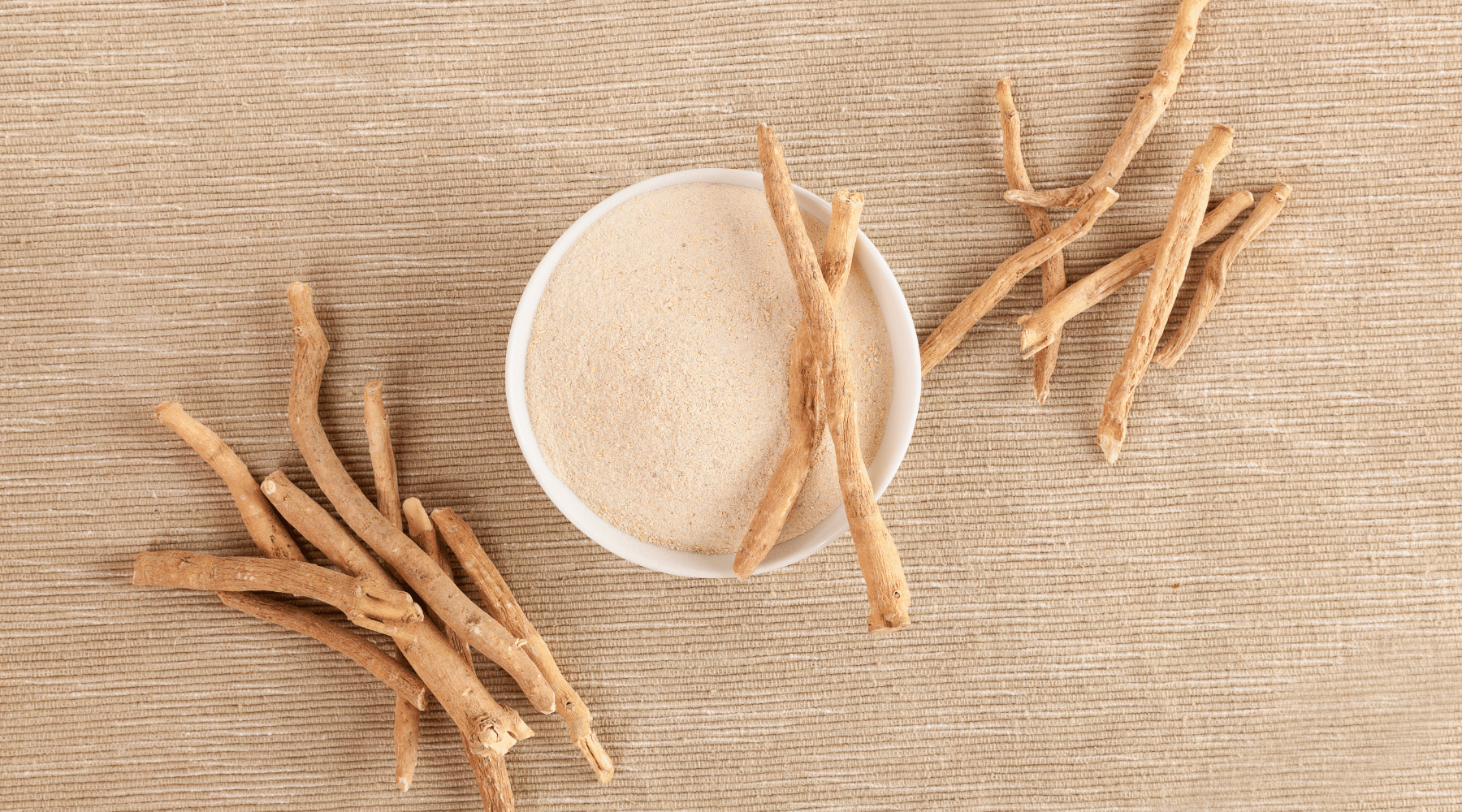
Standardised means the active compounds (withanolides) are present at a guaranteed, tested concentration. It's not just ground-up root. It's a concentrated, quality-controlled form.
Most products on shelves? 100mg of generic root powder.
It is not the same thing.
You're not getting a smaller dose of the same product. You're getting a fundamentally different, far less effective product. The research doesn't apply to it. The results don't translate.
What to look for on the label:
- If you want a one and done ashwa supp then you need a dose of 300–600mg per serving
- The words "standardised extract" or "root extract" - not just "root powder"
- Ideally a named extract: KSM-66 and Sensoril are the two most researched, quality-controlled forms on the market
- Withanolide content listed (usually 5% for KSM-66)
If none of that is on your label, you have your answer.
Who ashwagandha is actually for
Even a well-dosed, quality extract isn't right for everyone. As a herbalist, this is the part that gets skipped over most - and it matters.
Ashwagandha is a powerful adaptogen. That word gets thrown around loosely, but what it actually means is that it works on your HPA axis - the hormonal pathway that regulates your stress response, your cortisol rhythms, and how your nervous system recovers from being pushed.
It may genuinely help you if:
- You're what I call "wired but exhausted" - running on stress hormones, tired but unable to switch off
- You're dealing with chronic low-grade anxiety that feels more like constant background hum than acute panic
- You have an ADHD nervous system that spends a lot of time in threat mode
- Your sleep quality has declined because your brain won't stop at night
- You're in a sustained period of high demands - work, caregiving, life load
It's probably not your thing if:
- You're just tired and depleted (you likely need rest, B vitamins, and iron - not an adaptogen)
- You're pregnant or breastfeeding - avoid it entirely
- You have a thyroid condition - ashwagandha can influence thyroid hormone levels and interfere with medication
- You're taking sedatives or immunosuppressants - interaction risk
- You have an autoimmune condition - ashwagandha modulates immune function, which can work against you here
This isn't a harmless herbal vitamin. It's a genuinely active botanical. Respecting that is how you use it well.
The cravings claim (and why it's a red flag)
You may have seen brands marketing ashwagandha for cravings, weight management, or appetite control.
That's a stretch - and it's worth paying attention to.
Ashwagandha works on your stress response. Full stop. There's some indirect logic here: chronic stress drives cortisol, and cortisol can drive cravings. So if ashwagandha reduces stress, cravings might ease as a downstream effect.
But that's a long chain of "maybes" being sold as a direct benefit.
When a brand overstates what an ingredient does, you have to ask yourself: what else are they not being straight with you about? Label honesty is a signal of brand integrity. It's worth noticing.
Why you won't feel it for weeks (and why that's normal)
Ashwagandha is not an acute supplement. It's not like a coffee, where you feel something within the hour.
It works by gradually recalibrating your HPA axis - which means you need to take it consistently for 6 to 8 weeks before you can properly assess whether it's doing anything.
Most people quit at 2 to 3 weeks, conclude it doesn't work, and move on.
This is the biggest reason good ashwagandha gets unfairly dismissed.
Give it the full window. Take it at the same time each day (with food, ideally in the evening if sleep is your main goal). Then reassess.
How we use it (and why we're specific about the form)
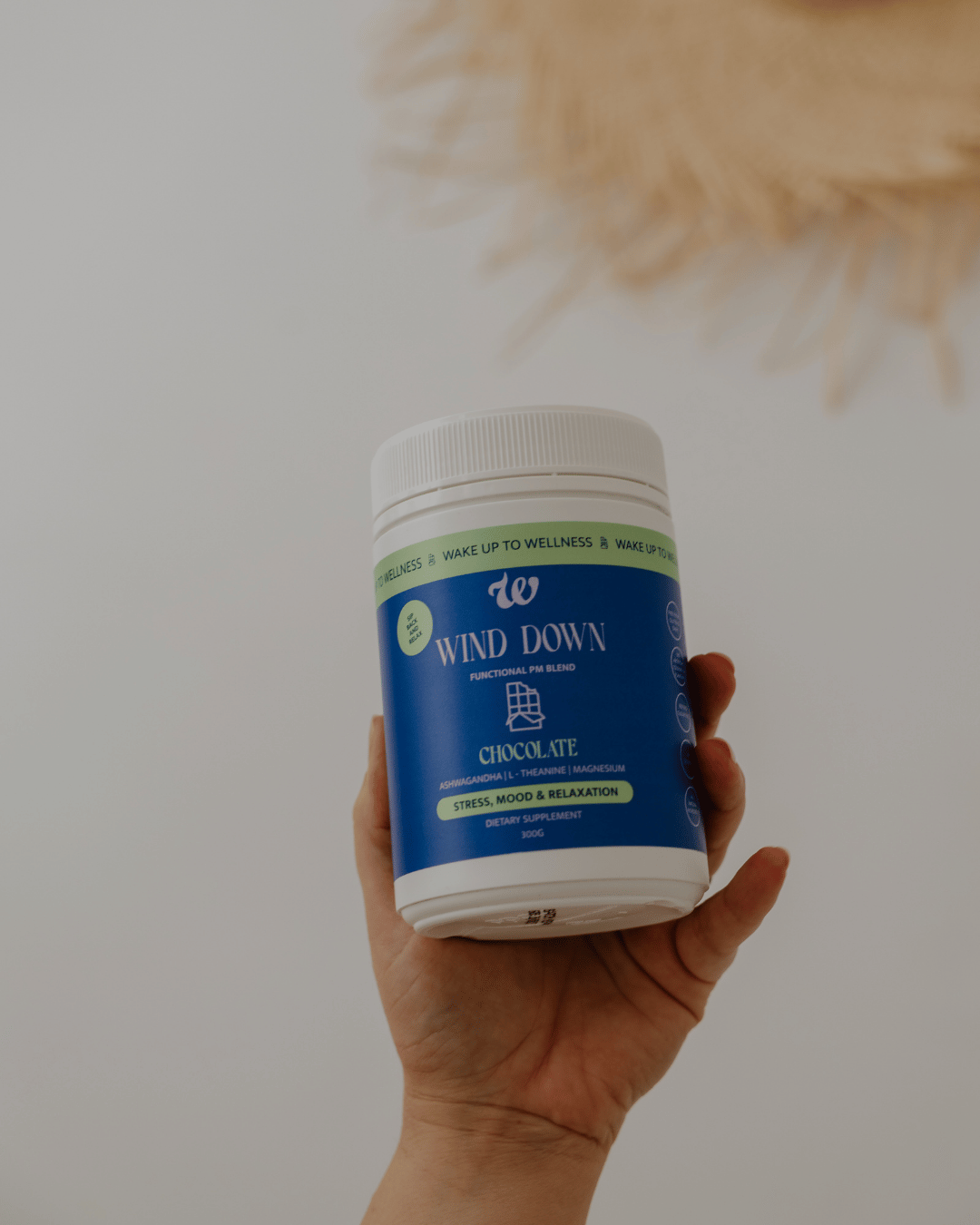
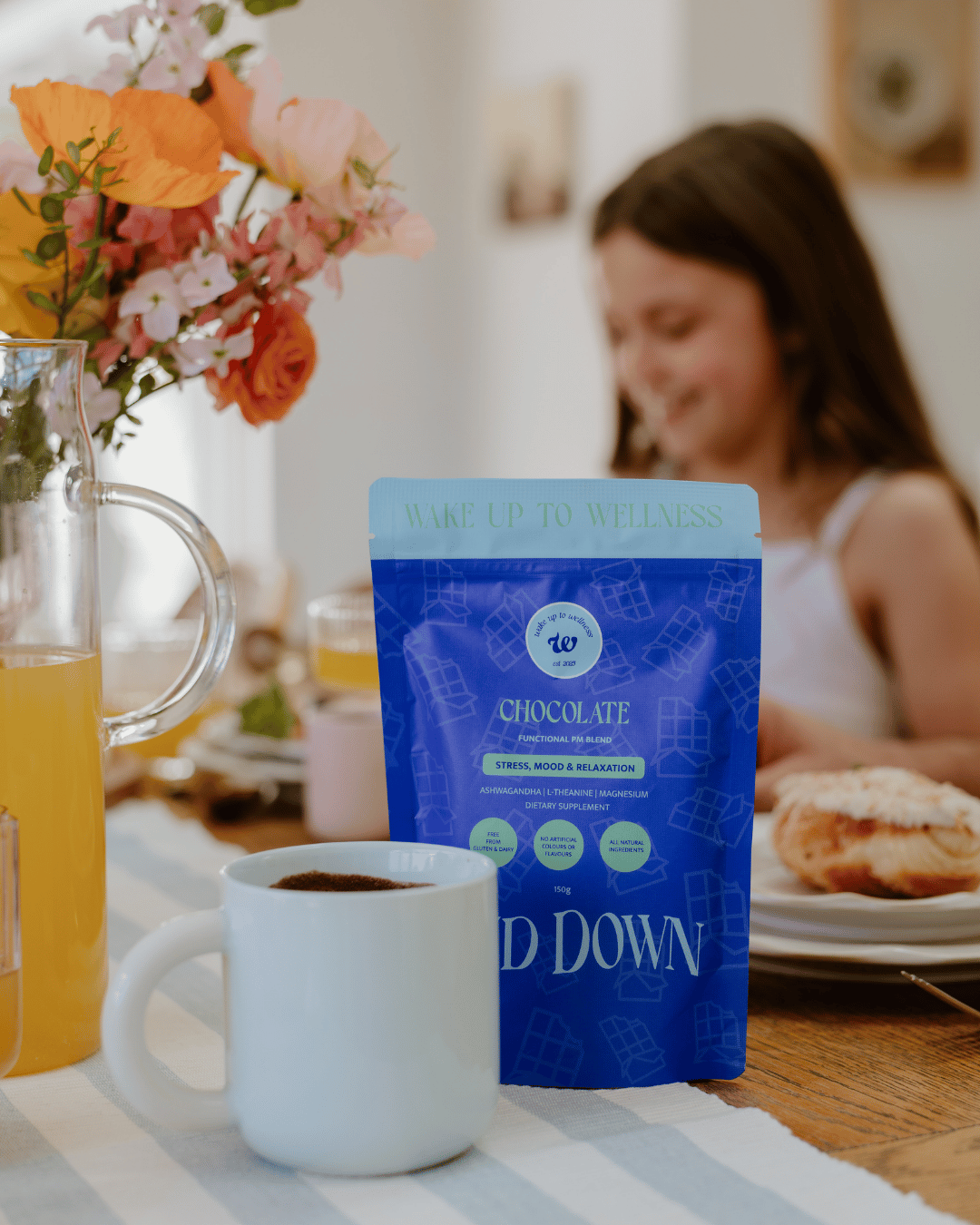
In our Wake Up AM blend and our Wind Down PM formula, we use KSM-66 ashwagandha extract at a clinically relevant dose - not because it's trendy, but because it's the form with the most robust human trial data behind it. You'll notice our dose is lower at 100mg - this is because our blends are made to be safe to layer.
We pair it with complementary nervine botanicals because ashwagandha works best as part of a system - supporting the HPA axis while other ingredients address the nervous system more directly.
The honest summary
Ashwagandha is one of the most promising adaptogens in clinical herbalism. It's also one of the most cynically misused ingredients in the supplement market.
The version most people have tried is underdosed, poorly extracted, and sold with claims it can't support.
That's not a reflection of what ashwagandha can do. It's a reflection of an industry that knows most consumers won't check the label.
Now you will.
Have questions about whether ashwagandha is right for you? [Join our newsletter] — no fluff, no filler, just the stuff that actually matters.
Disclaimer: This post is for educational purposes and does not constitute medical advice. If you have a health condition or take medication, please consult your healthcare provider before adding any new supplement.
Read more

A Smart Guide to Steady Energy, Stress Relief, and Simple Wellness Made with neurodivergent brains in mind Most wellness advice was never written with neurodivergent (ND) brains in mind. Rigid ro...
That afternoon wall you hit isn't a willpower problem. It's your ADHD brain running out of the neurochemicals it burned through all morning - and there's actually something you can do about it.
Leave a comment
This site is protected by hCaptcha and the hCaptcha Privacy Policy and Terms of Service apply.