Melatonin is one of those supplements that is quickly recommended and easily reached for - a "natural" alternative for sleep support, yet whilst it helps some people sleep, it can make others feel worse.
WHY SLEEP CAN BE TRICKY
Sleep is one of those things that should just "come naturally' for us, yet there are many many people who struggle - with falling asleep, staying asleep, getting back to sleep, sleep quality and more. This is even more prevalent in neurodivergent people - not because of 'bad' sleep hygiene or habits, but actually stemming from physiological and neurological differences.
We have a delayed circadian phase (hence the night owl behaviours), our nervous system is generally hyperaroused (think, higher stress, cortisol, racing thoughts etc), there's potential for dopamine dysregulation (making it harder to wind down), heightened sensory sensitivities and of course, the potential for other co-occurring things going on.
THE ROLE OF MELATONIN
So, even when we try to establish healthy sleep hygiene and morning/night rhythms to support sleep - it can still be hard to come by. Often the first step is being offered melatonin. And it makes sense, right? It's the signal that tells us that it's time to rest - it lowers your body temperature, signals to your brain that "night mode" is commencing and reduces alertness. It doesn't "make" you sleep, it just lets your body know it's time to get the conditions ready to allow you to sleep.
(Fun fact: it also help coordinate your hormones, digestion, immune function, glucose metabolism, blood pressure, mood, inflammation... so it's more than just sleep!)
It's a hormone made naturally within our body - it goes through a bit of a process, but essentially it's created from serotonin turning into an amino acid (tryptophan) and then it's released with darkness (night time). Although it's made at night, it depends on what happens during the day - especially sunlight, which boosts serotonin and sets the body clock so your brain knows when to switch into “sleep mode.
SO WHY DOES IT BACKFIRE AT TIMES?
It can absolutely work, and work well - but here are a few of the reasons why it may not be working, or suited to you.
1. DOSAGE
Most supplements contain 3–10 mg. To signal the brain into 'night mode' you don't need a high dose - and the higher you go, it doesn't increase the signal or make it more powerful. It simply adds more noise for the body to listen to, and ultimately can disrupt the signalling system altogether. High doses can cause grogginess, night waking, vivid dreams, rebound insomnia and mood changes.
2. TIMING > AMOUNT
Melatonin helps with timing issues (because it's simply bringing the signal forward!). Taking it 1-2 hours before bedtime shifts sleep onset, however taking it right before sleep or in the middle of the night can make the circadian rhythm even more chaotic.
3. THE FORM
Short-release (IR) helps with falling asleep; slow-release (SR) helps with staying asleep. Gummies are a whole other ballpark, as they often combine sugar, colouring and inconsistent/unregulated dosing which can blunt the effect or cause night waking. The wrong form means you're solving the wrong problem.
4. THE ROOT OF THE SLEEP PROBLEM
If sleep problems are driven by nervous system dysregulation i.e. stress, anxiety, cortisol spikes, sensory overload, blood sugar crashes - melatonin won't fix the root cause. You may fall asleep faster but still wake up wired, sweaty, anxious, or overstimulated. *This is key for many ND minds, regulation is more often than not driving a large chunk of our sleep challenges.
5. KIDS ARE EVEN MORE SENSITIVE
Children naturally have higher melatonin levels, so supplementing can easily tip them into irritability, nightmares, or next-day mood swings. It may help in the short term, but it’s rarely the long-term solution families hope it will be.
WHAT DO WE ACTUALLY NEED FOR A BETTER SLEEP?
So while sleep problems have largely been framed as a night time issue, sleep is actually a reflection of what's been going on in the body all day long.
If the system isn’t regulated, nourished, and predictable, it doesn’t magically switch into sleep mode just because you’re tired.
Here are the foundations that actually set the body up to rest:
-
Blood Sugar Stability
These are what your 2-3am wake ups are from. When glucose tanks, the body releases stress hormones to wake you up and mobilise energy.
FIX: protein, carb and fat before bed (ie permission to eat dessert).
-
Nervous System Regulation
Sleep requires physiological safety - if you spend all day in fight or flight, your body struggles to downshift.
FIX: regulation + lifestyle alignment > sleep hygiene
-
Magnesium
We're all deficient and any extra stress, dysregulation, sleep dep etc burns through magnesium faster.
FIX: adequate magnesium intake via food or supplements.
-
Light Exposure
Melatonin is made at night using serotonin. We can boost serotonin through morning sunlight exposure. It also anchors our circadian rhythm, which helps melatonin release at the right time.
FIX: morning UVA ie sit outside for your coffee, do a morning walk or even just crack open your windows in the morning.
-
Temperature
Kinda simple sleep hygiene but relevant as we're heading into summer. The brain initiates sleep when your core body temperature drops.
FIX: cool your room or breathable bedding.
-
Rhythms > rigidity
A perfect checklist ain't it, it'll only serve to add more stress.
FIX: simple micro habits to create a low-pressure rhythm to signal sleep is on it's way.
THE WU2W VIEW
We’re not anti-melatonin, but we don’t see sleep as something you “force” with a single ingredient. As with everything we do, we're lifestyle + food first - and when sleep problems are driven by dysregulation, depletion, and disruption, not a lack of melatonin - our approach focuses on supporting the systems that actually make sleep possible.
Focusing on lifestyle and food FIRST doesn't mean in isolation. You can plan and implement small changes in lifestyle (sunlight and regulation), tweak your food (eating enough, and dessert) AND support the transition with a supplement.
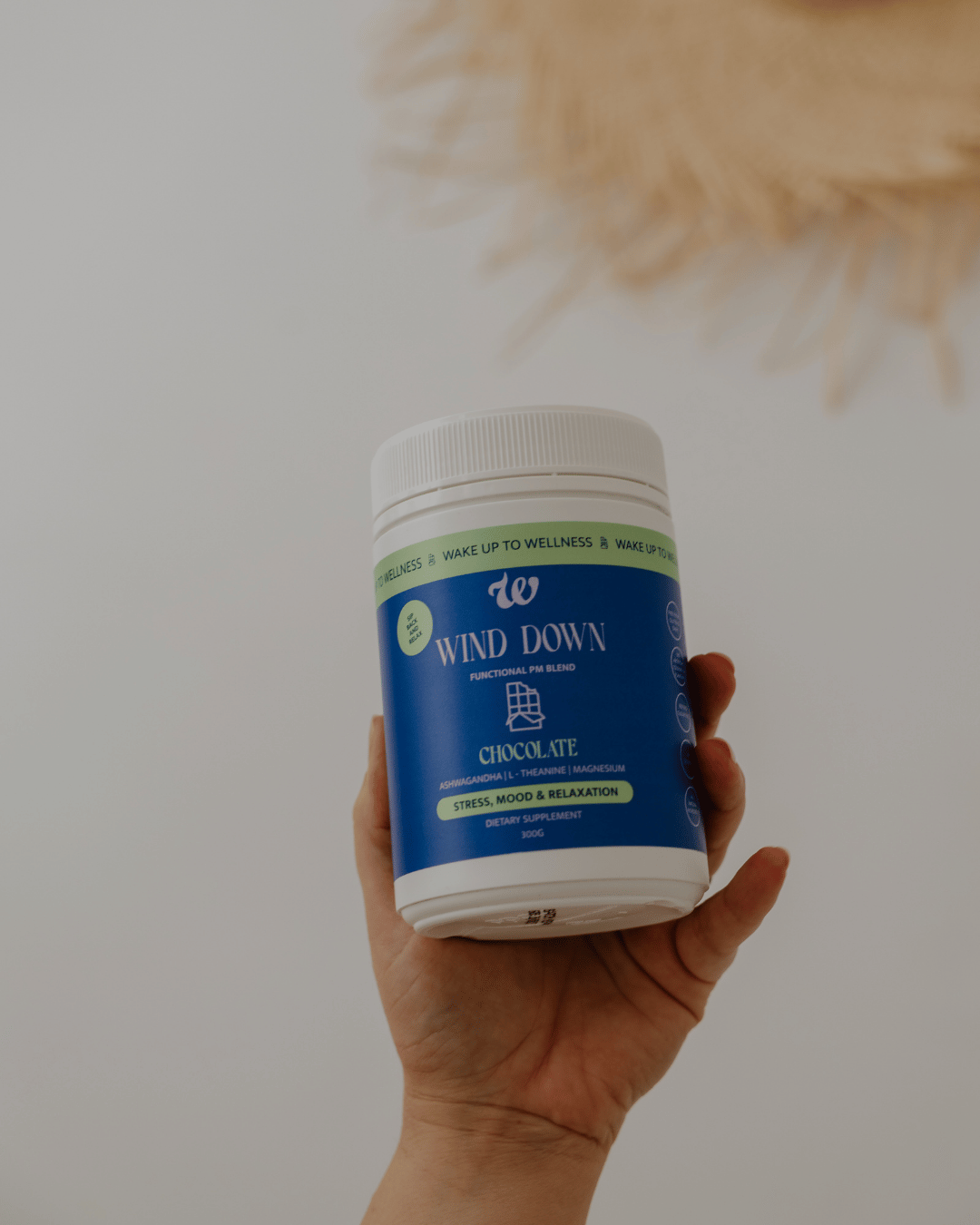
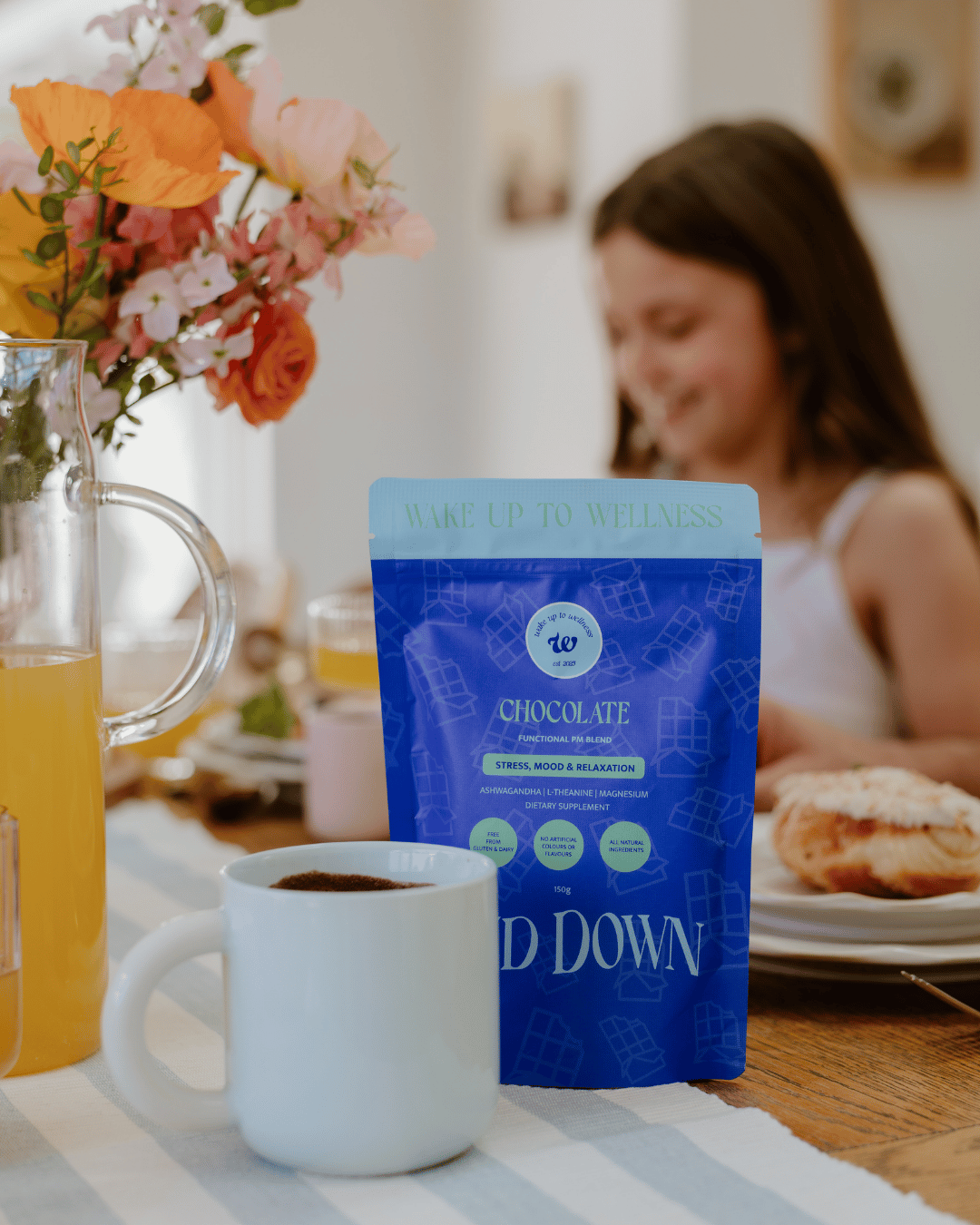
Sleep Blend is designed to help the body shift into a state where rest can happen more naturally by supporting:
- Nervous system calm
- Magnesium levels
- Muscle relaxation
- Stress recovery
- Circadian rhythm
It doesn’t sedate or override - it aims to create the internal conditions that make falling asleep and staying asleep easier, especially when stress, tension, or sensory overload have made that difficult.
We use tart cherry instead of isolated melatonin because it provides gentle, natural compounds that support melatonin signalling without overwhelming the body or disrupting its own production. It nudges the circadian rhythm, rather than overriding it.
START HERE
-
Have a small protein + carb snack in the evening (like yogurt + berries or crackers + cheese) to help stabilise blood sugar.
-
Lower sensory load an hour before bed - while blue light isn't as terrible as we think (save that for another post!) keeping devices out of bed is ideal. Dim lights, reduce noise, avoid stimulating conversations or tasks to signal to your body and brain the sleep transition is coming.
-
Use Sleep Blend if needed to support relaxation, reduce physical tension, and help the body shift into rest on nights when stress or overstimulation makes winding down harder.
These are small shifts with outsized impact, especially for neurodivergent adults, and millennial families who struggle with late-night arousal or early waking.
If you want help building a calmer night routine, you can
read more here and here, see how our blend is helping others or shop the Sleep Blend to see if it supports your sleep. Or just
save this and come back when you’re ready - one small change at a time is enough.
Amy x





Leave a comment
This site is protected by hCaptcha and the hCaptcha Privacy Policy and Terms of Service apply.